Walkham Valley Landscape Recovery Project
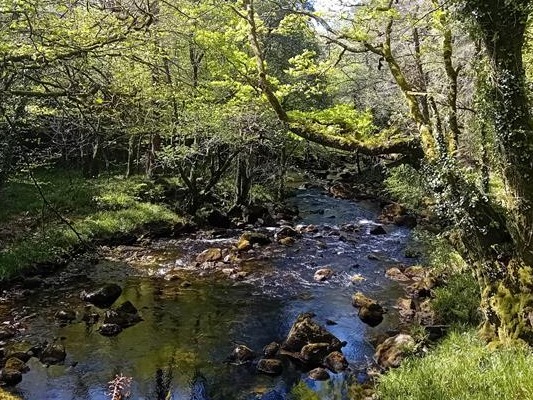
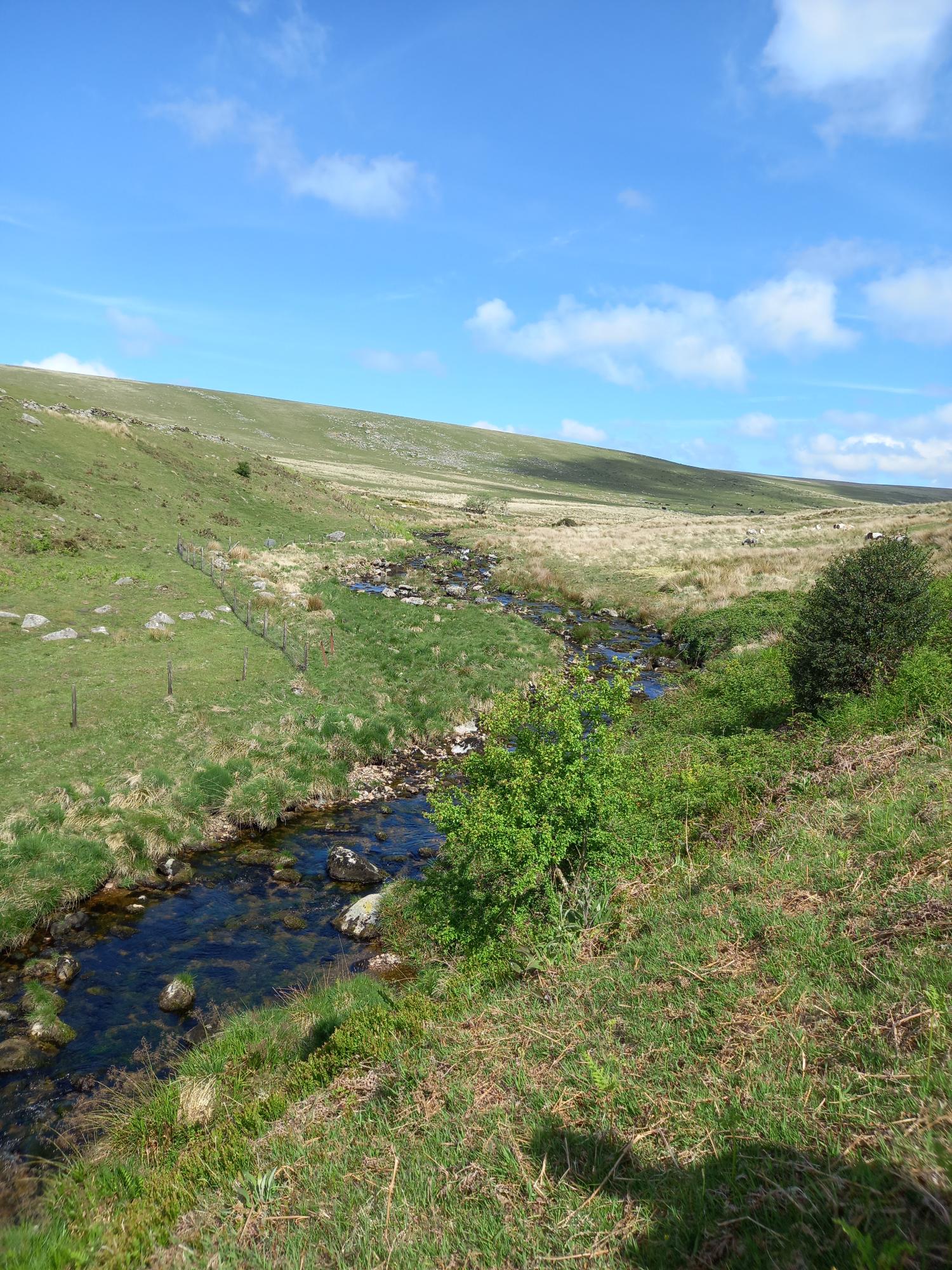
The Walkham Valley Landscape Recovery (LR) Project, named for the River Walkham and the valley it shapes, is reimagining how this landscape can work for nature, climate, and the people who depend on it.
More than a traditional environmental scheme: A farmer-led, landowner-driven project creating a resilient, nature-rich future through habitat restoration and sustainable farming practices.
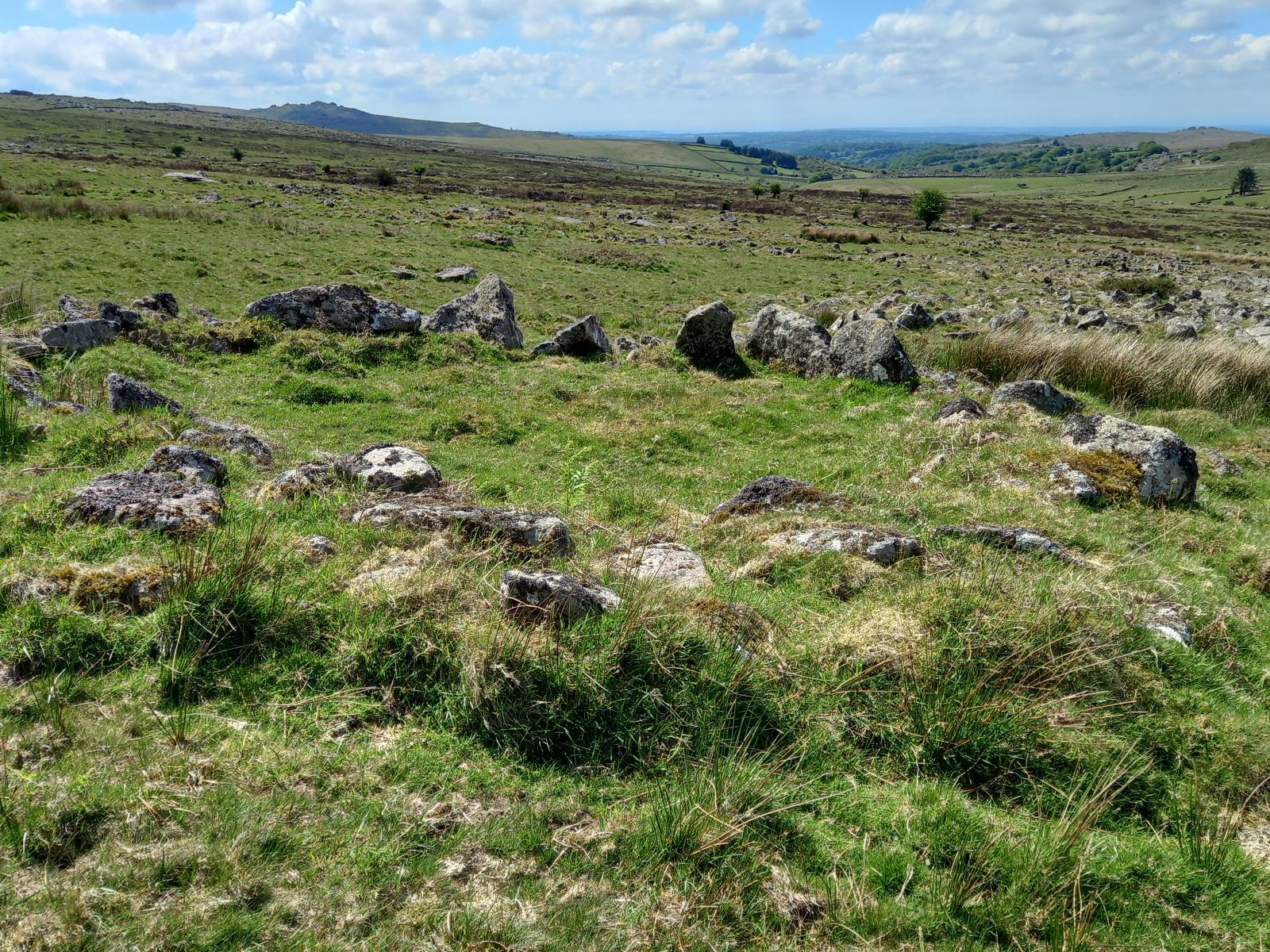
The project is one of three Dartmoor areas selected for Defra’s Landscape Recovery scheme, supporting long-term environmental change through bespoke, landscape-scale agreements. In the Walkham Valley, this means a plan shaped by its moorland edges, wooded river valleys, small field systems, and cultural heritage.
Now in a two-year development phase, the team is building the evidence and partnerships needed to guide decisions for the next 20 years, while assessing the valley’s ecological, social, and economic needs.
Building the baseline
Throughout 2025 and continuing through 2026, habitat and species surveys across the catchment, including deer drone surveys, butterfly transects, and river assessments, have been building a robust ecological baseline to inform future plans.
Conversations with land managers have been central to aligning ambitions, identifying opportunities, and addressing concerns early, supported by input from specialists and partner organisations. We have a steering group made up of 8 land managers who help guide the project's direction.
Thematic meetings on woody habitats, grasslands, soils, and water have also enabled farmers and commoners to explore issues in depth, keeping the project collaborative, transparent, and rooted in local knowledge. Our land advisors are also meeting 1-1 with land managers to build plans and see what could be implemented on farms.
Our Vision
While the detailed plans are still being shaped with land managers, a broad vision for the valley is emerging - one built around thriving rivers and wetlands, resilient woodlands and peatlands, healthy soils and diverse grasslands, and a landscape where cultural heritage sits alongside environmental considerations in shaping decisions. In this future, wildlife thrives, carbon is stored naturally, and the valley is better able to cope with floods and drought. Farming remains productive and central, with wildlife, livestock, and people all benefiting from a landscape that’s working well ecologically. Cultural heritage and traditional knowledge sit alongside environmental considerations in shaping decisions, supporting local economies and long term resilience.
Looking ahead: 2026 and beyond
The year ahead marks the shift from broad planning to the detailed work needed for delivery. Final surveys will support the plans and frameworks for the next phase: a 20-year scheme to turn a shared vision into action. With plans due in September, the Walkham Valley Landscape Recovery Project is entering a decisive stage, laying the foundations for a landscape where nature, farming and community thrive together.
The bigger picture
Dartmoor is unique in having three Landscape Recovery schemes in progress. The East Dartmoor Landscape Recovery Area is led by Devon Wildlife Trust. The Central Dartmoor Farm Cluster is working with Duchy of Cornwall and other landowners to develop proposals in central Dartmoor, with Dartmoor National Park Authority supporting both schemes. Together, they will create large-scale connected habitats, enhance public enjoyment of these landscapes, and help tackle climate change. The work takes place in two phases: a two-year development phase involving planning, collaboration and trials, followed by implementation. Detailed proposals are submitted to Defra and, if approved, receive long-term funding alongside private investment.